How to Tell What Can Be Repaired and What Needs Full Sanding
Deep marks, worn spots, and dull finish often mean the top coat is gone and the wood is taking damage. In many cases, hardwood floor refinishing is the best way to fix deep scratches and wear because it removes surface damage, smooths the boards, and adds a fresh protective coat. Small marks may need simple repairs, but wide scuffs, gray areas, splinters, and uneven color usually point to a bigger problem that needs more than a quick touch-up.
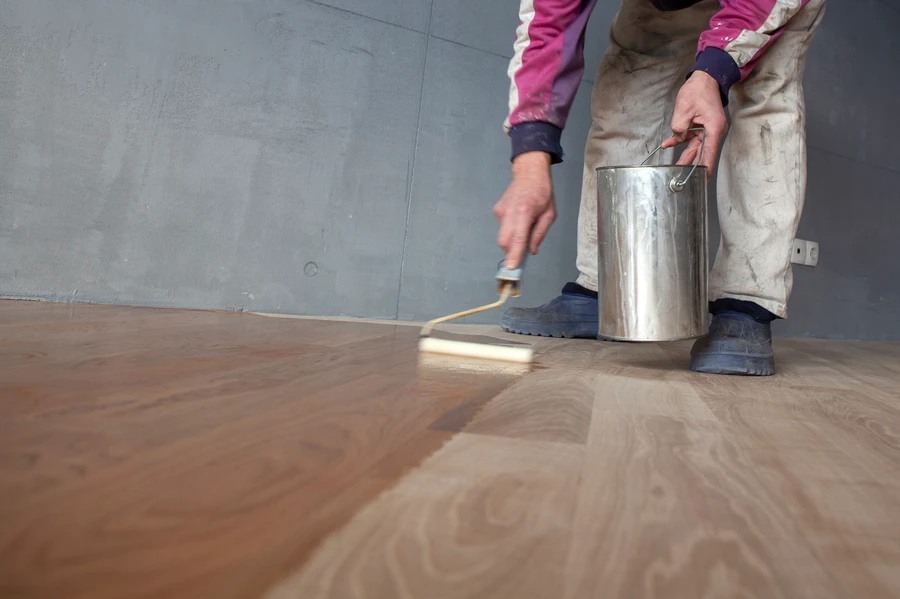
Quick Diagnosis Summary
Not every scratched floor needs the same fix. If the scratch is light and only in the finish, a screen and recoat may help. If the scratch cuts into the wood, full sanding is often needed. If the floor has worn patches, dark lines, or rough spots, the damage has likely built up over time. This kind of wear is common in busy homes with pets, kids, chairs that slide, or dirt tracked in from outside.
The service category keyword can fit many repair needs, but wood floors need a close look before any work starts. The right fix depends on how deep the damage goes, how old the finish is, and whether the boards are still in good shape.
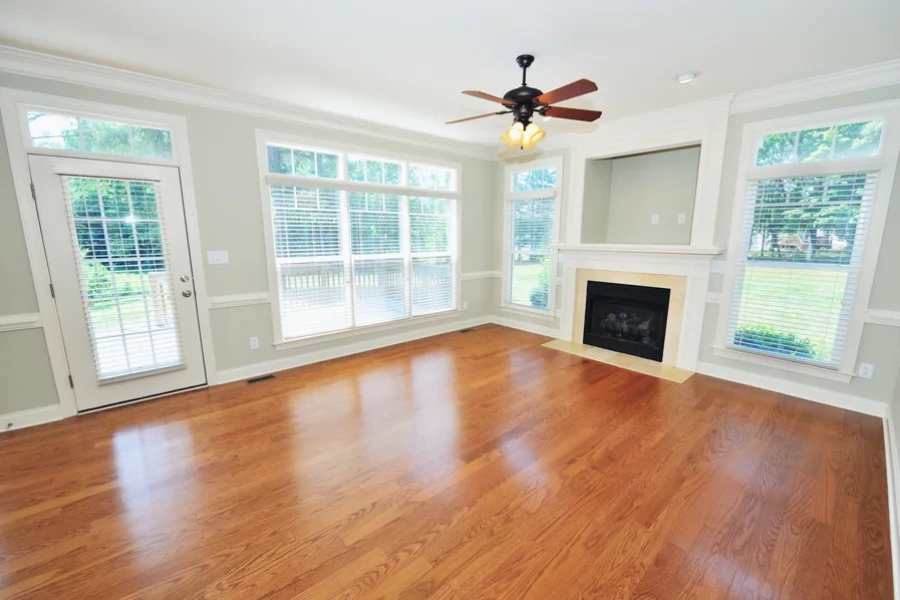
Common Symptoms
Deep scratches and wear usually show up in easy-to-spot ways. You may see long lines near doorways, faded paths in halls, or bare spots under dining chairs. Some floors feel rough when you walk across them in socks. Others look cloudy, dry, or patchy even after cleaning.
- Scratches that catch a fingernail
- Gray or dark worn areas
- Finish missing in traffic lanes
- Uneven shine from room to room
- Edges that feel sharp or splintered
- Water stains around pet bowls or sinks
When several of these signs show up at once, hardwood floor refinishing is often the most lasting fix.
Likely Causes
Most floor damage starts with friction, dirt, and lost finish. Tiny bits of sand act like sandpaper under shoes. Pet nails can leave repeated lines in the same spots. Chairs without felt pads grind into the floor every day. Water also plays a part. Moisture can weaken the finish and darken exposed wood.
Sunlight is another common cause. Over time, bright light can fade some boards and leave other areas darker where rugs once sat. Old cleaning habits can also hurt the surface. Wet mops, harsh products, and wax made for the wrong floor type often leave buildup or break down the finish.
What to Check First
Before choosing a fix, check how deep the damage is and how much floor area is affected. A few tests can help.
- Run a finger across the scratch to feel depth.
- Look at the floor from a low angle in daylight.
- Check if the shine is gone only in certain paths.
- Place a drop of water on a worn spot for a moment.
- See if nearby boards are cupped, loose, or stained.
If water soaks in fast, the finish may be gone. If scratches are only in one small area, a spot repair might help. If large sections show wear, patching one area can make the floor look uneven. That is when a full hardwood floor refinishing job may make more sense.
Safe Fixes Vs Pro-Level Fixes
Some light problems can be handled with simple care. A wood-safe cleaner can remove dirt that hides the true condition. A color-matched repair marker may reduce the look of small lines. Felt pads under chairs can stop more damage right away. For very minor finish scuffs, a buff and recoat may restore shine if the wood itself is not cut.
Deeper damage usually needs stronger tools and more skill. Full sanding takes off the old finish and a thin layer of wood so deep scratches blend in better. After sanding, stain can be added if needed, then a new finish protects the floor. Board replacement may be needed if cracks, stains, or gouges are too severe. This level of work is harder than it looks. Uneven sanding can leave dips, swirl marks, or color changes that stand out across the room.
A good rule is simple: surface scuffs may be a DIY job, but deep scratches, broad wear, or missing finish often call for professional hardwood floor refinishing.
Prevention Tips
Once floors are repaired, daily habits matter. A little prevention can help the new finish last longer and keep wear from coming back too soon.
- Sweep or dust mop often
- Use mats at doors
- Add felt pads to chairs and tables
- Trim pet nails
- Clean spills fast
- Avoid soaking the floor with water
- Use cleaners made for finished wood floors
- Move rugs now and then to limit color change
It also helps to watch high-traffic areas. Hallways, kitchens, and living room paths usually wear first. If those spots start to look dull, acting early can prevent deeper damage later.
Final Recommendation
If your floors have deep scratches, bare spots, or heavy wear, a close inspection is the best next step. In Fairfield, CT, traffic, pets, and daily use can wear down wood faster than many people expect. If you want clear answers about the condition of your floors, contact us at (475) 304-1607. Our team at Adeidson Wood Floors LLC can help you figure out whether a light repair, sanding, or full hardwood floor refinishing is the better path for your home.