How Damaged Wood Flooring Can Look Smooth and Strong Again
Hardwood floor repair restores damaged areas by removing weak spots, fixing the cause of the damage, and blending the repaired section with the rest of the floor. This can include filling small gaps, replacing broken boards, sanding rough patches, and matching stain and finish. When the work is done the right way, the floor looks better, feels safer, and lasts longer.
Quick Answer
Some floor damage is only on the surface. Other damage goes deeper into the board. hardwood floor repair works by finding how far the problem goes, stopping more damage, and repairing only what is needed. A light scratch may need sanding and finish. A warped or split plank may need to be removed and replaced. In many homes, this is a smart way to save the floor without starting over with full replacement.
What You Need Before Starting
Before any repair begins, it helps to know what kind of damage is present. Scratches, dents, stains, gaps, squeaks, and water marks all need different fixes. It also helps to know the wood species, board width, stain color, and finish type. If the floor is part of a larger flooring system, matching the repaired area matters even more. A repair that does not match can stand out right away.
It is also smart to check the room around the damaged spot. A leaking appliance, wet shoes by the door, pet accidents, or heavy chair legs may be the real problem. If the cause stays in place, the same area can fail again after the repair.
Step-by-Step Process
Most repairs follow a simple path from inspection to final finish. The exact steps depend on the damage, but the process often looks like this:
- Inspect the damaged area and mark the boards or spots that need work.
- Check for the cause, such as water, movement, or worn finish.
- Clean the area so dirt does not get trapped in the repair.
- Sand out light scratches or surface marks if the wood is still solid.
- Fill small holes, chips, or narrow gaps with the right wood filler.
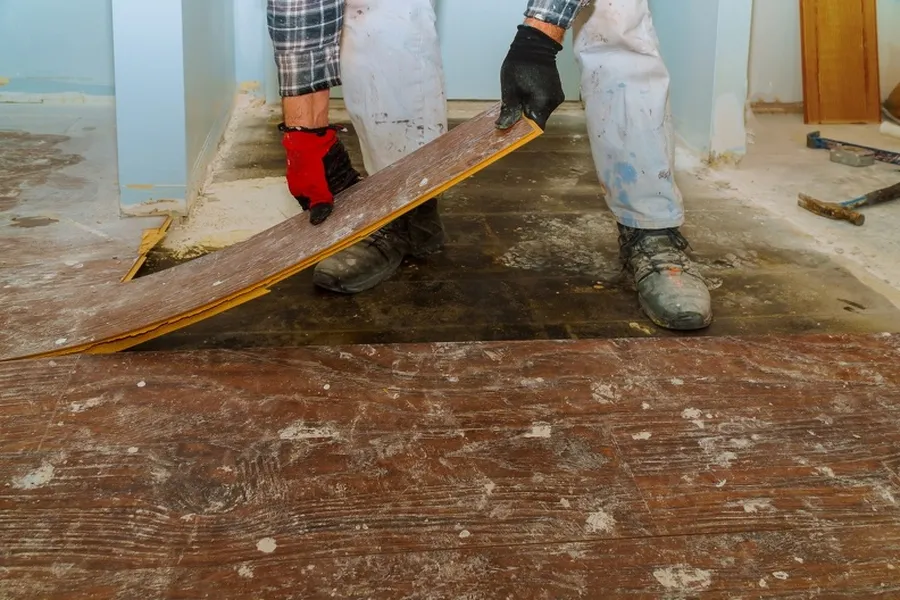
- Remove and replace boards that are cracked, cupped, soft, or badly stained.
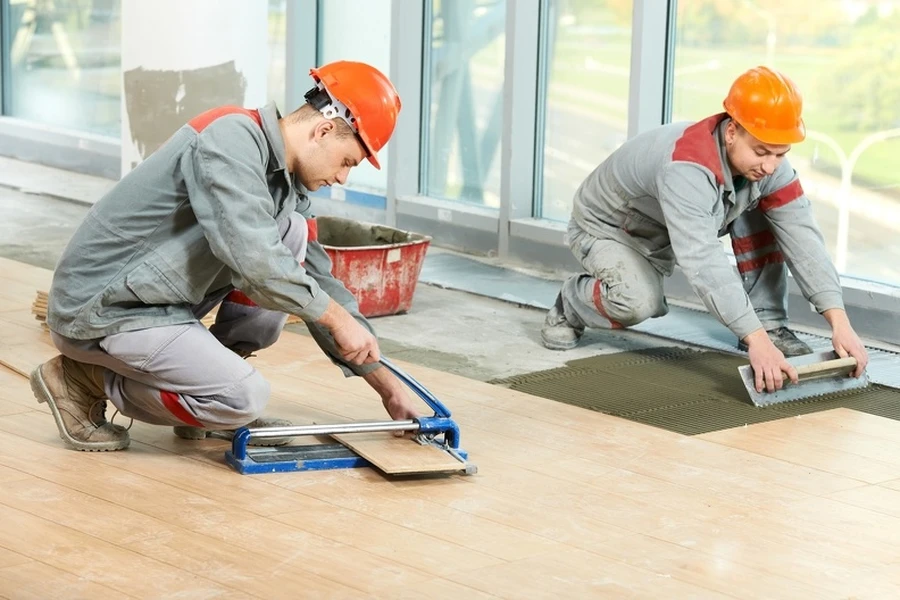
- Sand the repaired area so it sits level with nearby boards.
- Apply stain if needed to help the new section match.
- Add finish to protect the wood and blend the sheen.
- Let the area dry and cure before heavy foot traffic returns.
This step-by-step method is what helps hardwood floor repair restore damaged areas instead of just covering them up. The goal is not only to hide the problem. The goal is to make the area sound and usable again.
Common Mistakes to Avoid
Many floor problems get worse because the wrong fix is used. One common mistake is using too much filler in a moving gap. Another is staining before the wood is sanded evenly. Some people also try to refinish over dirt, wax, or old finish, which can cause poor bonding and patchy color.
Water damage is another big issue. If a board is swollen or soft, sanding alone will not solve it. The damaged wood may need to be replaced. It is also easy to pick a stain that looks close in the can but dries much darker on the floor. Test spots help avoid that problem.
- Do not ignore the source of moisture.
- Do not over-sand one small area and create a dip.
- Do not mix finishes without checking compatibility.
- Do not rush drying time between coats.
When to Call a Professional
Small scratches and minor scuffs may be simple to handle. Larger damage often needs a trained eye. Deep pet stains, wide buckling, soft subfloor spots, and large color-matching issues are hard to fix without the right tools. Repairs near walls, vents, or built-ins can also be tricky because board removal takes care and precision.
A professional is often the best choice when the damage spreads across several boards, when water got under the floor, or when the repaired spot must blend closely with older wood. This is also true for historic homes or custom floors where board size and finish are less common. Good repair work should not call attention to itself. It should look like the damage never happened.
Final Recommendation
If your floor has scratches, dents, stains, gaps, or loose boards, acting early gives you more repair options. hardwood floor repair can restore damaged areas by fixing the real issue and saving the sound parts of the floor. That usually means less mess than full replacement and better long-term results than a quick patch. In Fairfield, CT, damaged wood floors often improve most when the repair plan matches the type of wear, the age of the floor, and the source of the problem.
Get Help With the Next Step
We help homeowners in Fairfield, CT figure out whether a spot needs a simple repair or a more involved fix. At Adeidson Wood Floors LLC, we focus on repairs that make the floor look natural and feel solid again. If you want clear advice about your next step, call us at (475) 304-1607 and we will help you plan the best option for your floor.